INTRODUCTION
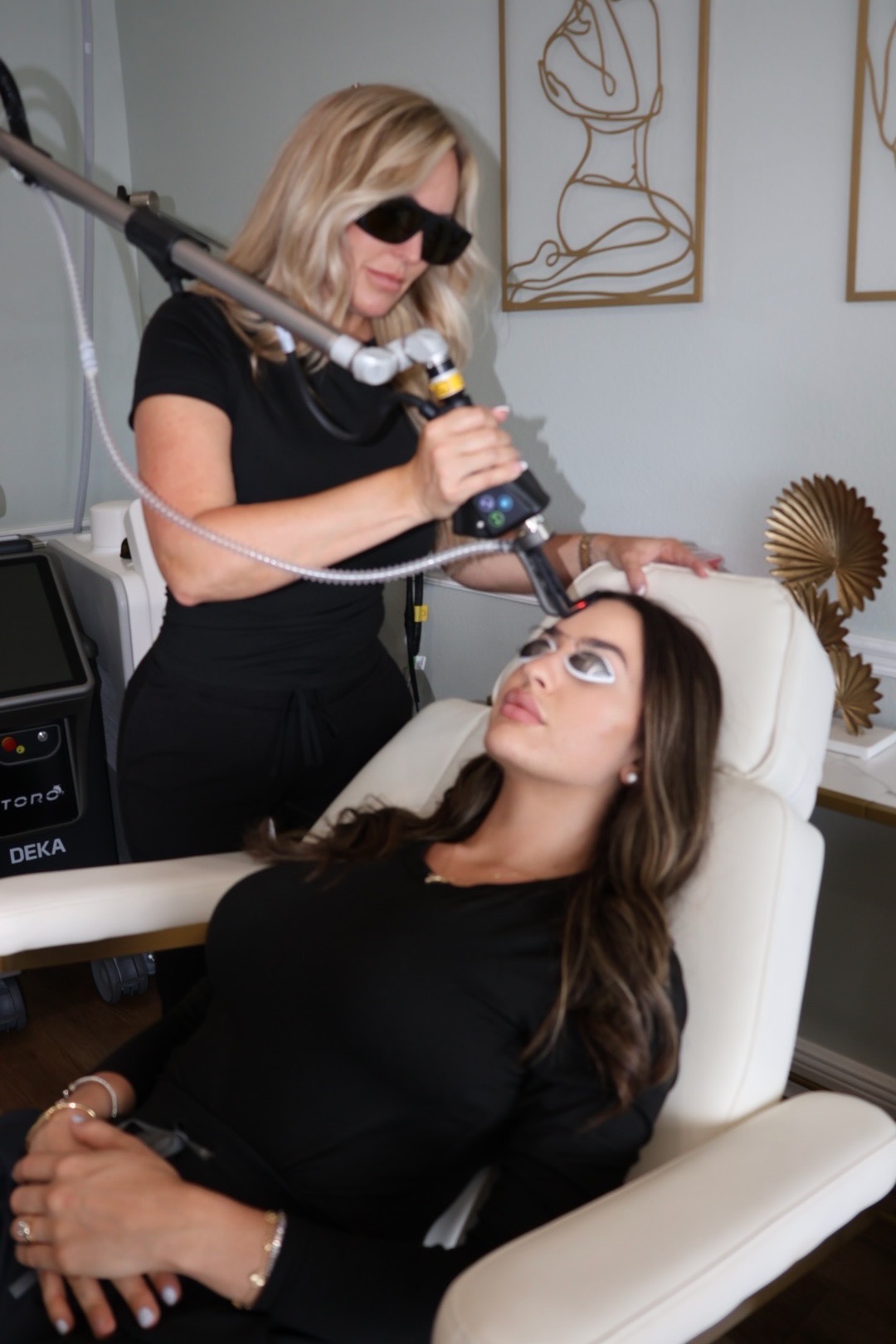
CO2 laser resurfacing in Titusville and Melbourne is now available at Miracle Wellness, and we want to be direct about what that means. The Cartessa Tetra Pro is a clinical-grade laser platform that sits in a different category from the light-based treatments most people are familiar with. It produces results that topical treatments, facials, and gentler laser technologies cannot replicate, and it does so by working at a level of tissue that no surface treatment can reach.
For Brevard County residents who have spent years or decades in the Florida sun, CO2 resurfacing is often the first treatment that actually addresses what the sun has done to the skin rather than simply managing the surface appearance of it. If you have been told you need laser and wondered what that really means, this post will give you a clear and honest picture of what the Cartessa Tetra Pro does, what it treats, and what the experience from consultation through recovery actually looks like.
This is a new service at Miracle Wellness and consultation availability is limited. We want you to have the information you need to decide whether it makes sense for you before you come in.
We want you to have the information you need to decide whether it makes sense for you before you come in.
What Fractional CO2 Actually Does at a Cellular Level
CO2 lasers use a carbon dioxide wavelength of light that is absorbed by water in the skin. When delivered to tissue, this energy vaporizes thin layers of skin cells with precision. According to the American Academy of Dermatology, laser resurfacing removes damaged outer skin layers while stimulating the production of new collagen in the underlying dermis, which is the mechanism behind the long-term improvement that continues for months after the treatment itself.
What makes the Cartessa Tetra Pro specifically worth understanding is the fractional delivery method. Traditional ablative CO2 lasers treated the entire surface of the skin uniformly, producing impressive results alongside weeks of recovery and significant risk. Fractional technology breaks the laser energy into thousands of microscopic columns, each treating a tiny zone of tissue while leaving the surrounding skin intact and unaffected.
Those untreated zones surrounding each column are the key to why fractional CO2 heals as efficiently as it does. They act as reservoirs of intact tissue that accelerate repair of the treated areas, dramatically shortening recovery compared to full-surface ablative treatment while preserving most of the clinical effect. The skin still undergoes a genuine resurfacing process at depth. It just has far more resources available to heal from it.
The collagen remodeling that follows treatment does not happen overnight. New collagen fibers take time to form, organize, and mature. Clients see an initial improvement as treated skin heals and surface irregularities resolve, followed by a continued improvement over 3 to 6 months as the deeper collagen response develops. The skin you see at six months is measurably different from the skin you see at two weeks, and it continues to improve for some time beyond that.
This delayed improvement is one of the features that distinguishes CO2 resurfacing from more superficial treatments. The result is not just a refreshed surface. It is structurally improved skin with denser collagen, improved elasticity, and a fundamentally better foundation than what was there before.
Decades of Florida Sun Did Something to Your Skin. Here Is What It Did.
Florida is one of the highest UV-exposure environments in the country. Year-round sun, high reflectivity from water and sand, and an outdoor lifestyle that most Brevard County residents maintain from childhood forward means the average adult here has accumulated significantly more cumulative UV damage than their counterparts in cooler, cloudier climates.
UV radiation damages skin in two ways that compound over time. The first is photoaging: the progressive degradation of collagen and elastin that produces fine lines, uneven texture, enlarged pores, and a general dullness that accumulates gradually and tends to accelerate noticeably after age 35. The second is hyperpigmentation: the development of sun spots, uneven tone, and areas of excess melanin that form as the skin's pigment-producing cells respond to repeated UV exposure.
Both of these processes happen below the surface, which is why topical treatments address them slowly and incompletely. Retinoids and brightening serums work at the epidermis. CO2 laser reaches the dermis where collagen structure actually lives, removing the most damaged surface layers and triggering the body to replace them with healthier, more organized tissue. It is the difference between painting over a damaged surface and actually repairing what is beneath it.
For clients who have been consistent with sun protection and skincare but still see the accumulation of years of Florida living in the texture and tone of their skin, CO2 resurfacing addresses what those habits simply cannot reach.
It is also worth noting that UV damage is not just cosmetic. The structural changes it causes, including collagen degradation and irregular cell turnover, are the same processes that contribute to more serious skin conditions over time. Treating sun damage proactively with clinical-grade resurfacing is both an aesthetic decision and a wellness one.
A Perfect Gift Idea
Miracle Wellness Gift Cards
Give the gift of glow, energy, and confidence — or treat yourself to huge savings on your favorite wellness services.
Get Your Gift CardThe Cartessa Tetra Pro: One Machine, a Full Range of Treatments
The Tetra Pro is manufactured by DEKA, one of Europe's leading aesthetic laser manufacturers, and is exclusively distributed in the US and Canada through Cartessa Aesthetics. It has been recognized as the Best CO2 Laser Treatment by NewBeauty for multiple consecutive years and is distinguished by its proprietary Pulse Shape Design technology, which allows precise control over the energy, duration, and pattern of each pulse delivered to the skin.
What sets the Tetra Pro apart from earlier CO2 platforms is its range. On one end of the spectrum is the CoolPeel treatment, which uses a high-peak-power short pulse to deliver a fully ablative resurfacing result at the surface level with significantly reduced thermal spread to surrounding tissue. The result is real resurfacing with minimal downtime, typically 1 to 3 days of redness and mild peeling, making it accessible to clients who cannot accommodate a longer recovery window.
On the other end is traditional fractional CO2 resurfacing at greater depth and density, appropriate for clients with more significant sun damage, deeper lines, acne scarring, or textural concerns that require more aggressive treatment to address fully. This approach produces more dramatic results and carries a recovery window of 5 to 10 days. Between these two modes, the Tetra Pro can be calibrated to virtually any point on the resurfacing spectrum, which is why the consultation is the critical first step before any treatment decision is made.
This flexibility is not simply a marketing claim. It means that two clients with different skin concerns, different recovery tolerances, and different goals can both be appropriately treated with the same platform at Miracle Wellness, each with a protocol dialed in to what is right for their specific situation rather than a standardized setting applied uniformly.
The Tetra Pro also treats body areas beyond the face, including the neck, chest, and hands, all areas where Florida sun exposure accumulates visibly over time and where resurfacing produces improvements that facial skincare routines do not reach. If you have skin concerns in these areas alongside the face, this is worth mentioning at your consultation so the full scope of what is possible can be factored into your plan.
What CO2 Resurfacing Addresses and What It Does Not
CO2 laser resurfacing is one of the most powerful skin treatments available, but being clear about what it is and is not designed to treat helps clients arrive at consultations with accurate expectations.
The Tetra Pro is highly effective for fine lines and wrinkles, particularly those in the perioral area around the mouth and the periorbital area around the eyes. It addresses sun damage and age spots, uneven skin tone and hyperpigmentation, acne scars and other textural scarring, enlarged pores, rough or crepey skin texture, and early to moderate skin laxity. For clients dealing with multiple of these concerns simultaneously, CO2 resurfacing addresses them together in a single treatment series rather than requiring separate approaches for each.
What CO2 resurfacing does not address is significant skin laxity requiring surgical lifting, deep static folds that have formed over decades of repeated movement, or concerns originating in the subcutaneous tissue rather than the dermis. It also requires thoughtful assessment for clients with darker skin tones, as CO2 lasers carry a higher risk of post-inflammatory hyperpigmentation in Fitzpatrick skin types IV and above. This does not mean darker skin cannot be treated, but it does mean the protocol requires specific expertise and conservative settings to manage that risk appropriately.
Our team will be honest with you if CO2 resurfacing is not the right tool for what you are trying to address, and will present alternatives that are better matched to your specific concern. The goal is always the right treatment for the right client, not a default recommendation based on availability.
Clients who have had previous resurfacing procedures, filler, or tox should also mention this at their consultation. Prior treatments affect how skin responds and what protocol is most appropriate. There are no disqualifying factors in this history, but full disclosure allows our team to build the safest and most effective plan for you specifically.
The Recovery Window Is Real. Here Is How to Plan for It.
CO2 resurfacing produces results that gentler treatments cannot because it does something gentler treatments do not: it asks your skin to undergo a genuine healing process. Understanding that process before you begin is what makes the recovery manageable.
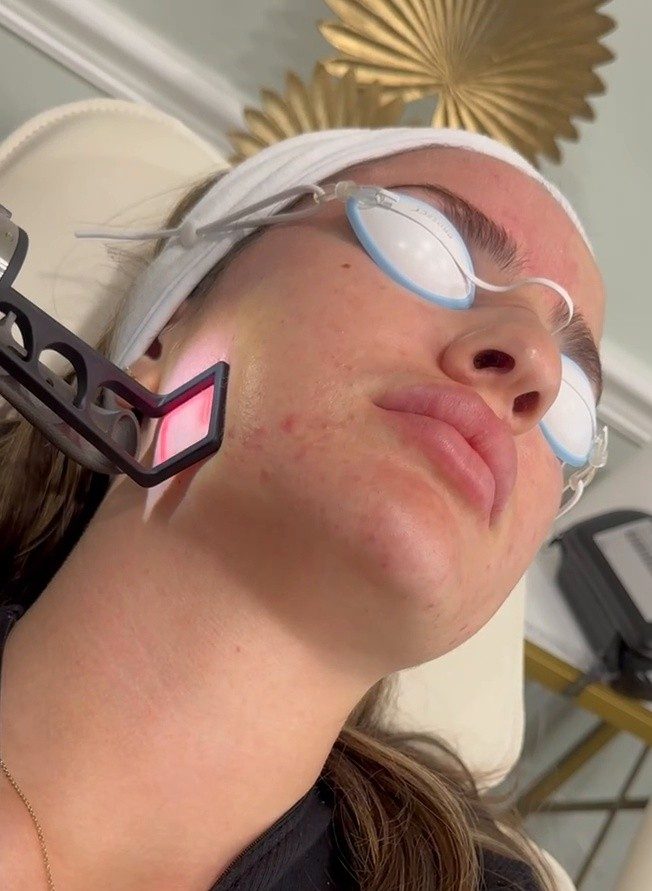
In the days immediately following treatment, the skin will be red, swollen, and tender. This is not a complication. It is the expected healing response to a controlled wound. The degree varies depending on the depth and density of the treatment selected, with lighter CoolPeel protocols producing 1 to 3 days of visible redness and more aggressive resurfacing producing 5 to 10 days of active healing before the skin looks presentable in public.
Peeling and flaking of the treated skin occurs during the first week as the outer layers shed and new skin emerges beneath. Keeping the skin moist throughout this phase with provider-recommended healing ointments is important for both comfort and outcome. Picking or pulling at peeling skin risks introducing bacteria and disrupting the new skin forming beneath.
Sun protection is non-negotiable throughout recovery and for several months after. New skin emerging after CO2 resurfacing is highly photosensitive. In a climate like Brevard County's, where UV exposure is significant even in winter, daily SPF of 30 or higher is required without exception during the post-treatment period. Clients who are not prepared to commit to consistent sun protection are not ideal candidates for CO2 resurfacing, because unprotected sun exposure after treatment will compromise results and risk complications.
Most clients find the recovery entirely manageable once they understand what to expect and have planned their schedule accordingly. Many choose to treat on a Friday and take the following week off from social obligations. Others time their treatment around a gap in their schedule where being at home for several days is practical. Our team will walk you through the full post-treatment protocol at your consultation so there are no surprises.
It is also worth addressing the discomfort question directly. CO2 resurfacing is performed with topical numbing cream applied before the session, and the treatment itself is well-tolerated by most clients. The healing period involves tenderness and tightness rather than acute pain, and most clients describe it as far more manageable than they anticipated.
How CO2 Sits at the Top of a Layered Skin Plan
CO2 resurfacing is not the right starting point for every client. For someone new to aesthetic treatments or someone with mild concerns, starting with RF microneedling, laser treatments, or a targeted injection approach often makes more sense and produces meaningful results with less recovery. CO2 resurfacing tends to be most appropriate when those treatments have reached their ceiling for what they can produce, or when the degree of sun damage or scarring requires a more definitive intervention from the outset.
For many Miracle Wellness clients, CO2 resurfacing will be the logical progression from treatments they have already been doing. Clients who have completed a series of RF microneedling and are looking for the next level of collagen stimulation, or clients who have maintained their results with regular facials and laser treatments but want to address the underlying texture and sun damage that those treatments cannot fully correct, often find that CO2 resurfacing is where the conversation naturally arrives.
After CO2 resurfacing, maintenance treatments keep the improved skin performing at its best. RF microneedling, annual or biannual CoolPeel sessions, and a strong at-home skincare routine with retinoids and SPF are the combination that protects and extends the investment that CO2 resurfacing represents. Our team can help you map out what that ongoing plan looks like based on your skin and your goals.
The Assessment That Shapes the Entire Approach
Before any CO2 treatment, Miracle Wellness conducts a thorough skin assessment covering your skin type, your history with previous laser or resurfacing treatments, any active skin conditions that would need to be resolved before treating, your medication list (some medications affect how skin responds to laser), and your recovery availability.
Your skin type is evaluated on the Fitzpatrick scale, which classifies skin by its response to UV exposure. This classification informs the appropriate treatment intensity and the precautions our team will build into your protocol. Clients with darker skin tones are not excluded from CO2 resurfacing, but the conversation about appropriate settings and risk management is more detailed, and we will be transparent about what that means for your specific situation.
Your realistic goals matter as much as your skin type. A client who wants to address mild texture and is not ready for significant recovery time will be directed toward a CoolPeel protocol. A client who has not seen real progress from other treatments and is willing to take ten days away from social obligations will be better served by a more aggressive fractional approach. These are different conversations and the right protocol only emerges from having an honest one.
The consultation at Miracle Wellness is the place where we figure out exactly which version of this treatment, if any, is appropriate for your skin and your life. Come in with your questions, your timeline, and your goals, and leave with a clear understanding of what CO2 resurfacing can actually do for you.
We also ask that clients avoid active tanning, spray tans, and any new skincare actives like retinoids or acids for two to four weeks before a CO2 consultation if possible. These factors affect the baseline state of the skin we are assessing and can influence treatment timing. If any of these apply to you, simply mention it when you book and we will guide you from there.
The Skin on the Other Side of Recovery
Clients who have gone through CO2 resurfacing consistently describe the same experience on the other side of recovery: they look in the mirror at two weeks and see a version of their skin they had not seen in years. The texture is smoother. The tone is more even. The lines they had been watching deepen for a decade have softened in a way that nothing before had produced.
And then, because the collagen remodeling continues for months, they look again at month three and see that it is even better. The result that felt significant at two weeks was only the beginning of what the treatment was producing.
CO2 laser resurfacing is one of the few aesthetic treatments where the investment of recovery time produces a return that is genuinely proportional to what it asks of you. For clients who are ready for it, it is often the turning point in how they think about their skin. We are looking forward to offering it to Brevard County clients who have been waiting for this level of care close to home.
The Cartessa Tetra Pro is here. If your skin has been telling you it needs something more than what you have tried so far, this might be the conversation worth having.
CO2 Resurfacing Is Now at Miracle Wellness in Titusville and Melbourne
As one of the few practices in Brevard County offering the Cartessa Tetra Pro, Miracle Wellness brings clinical-grade CO2 laser resurfacing to Titusville and Melbourne. Consultation spots are filling quickly for this new service. A visit with our team is the first step to knowing whether you are a candidate and what your treatment plan would look like.